Electronics Systems Course:
ELEE 3550 Short Distance Sonar
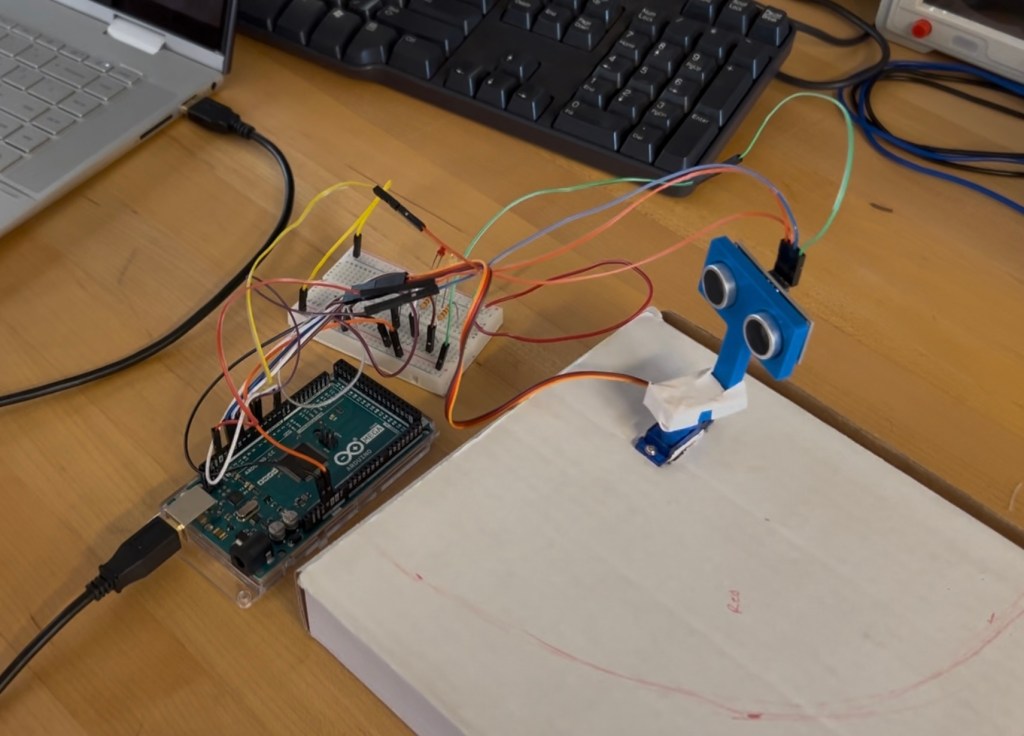
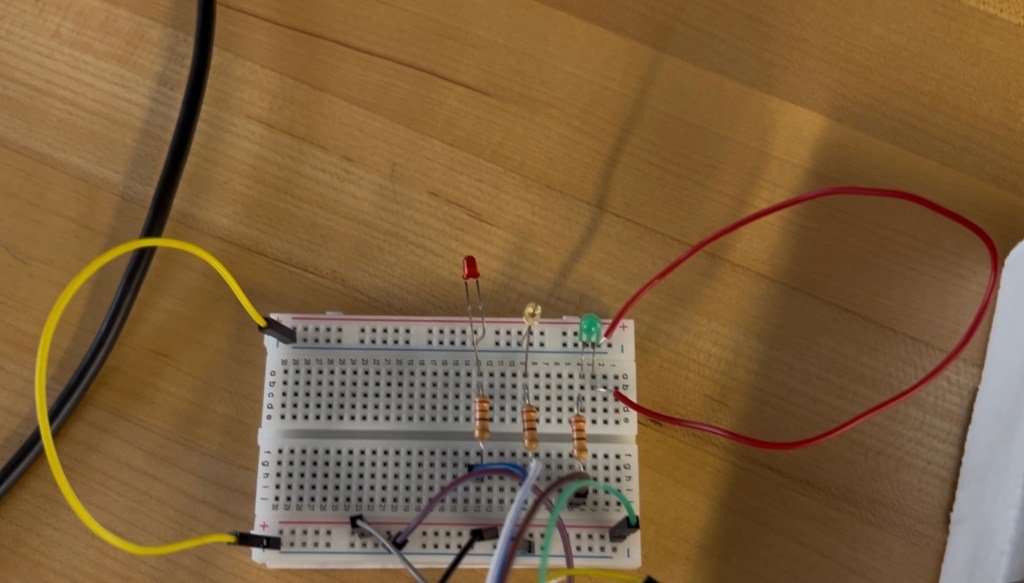
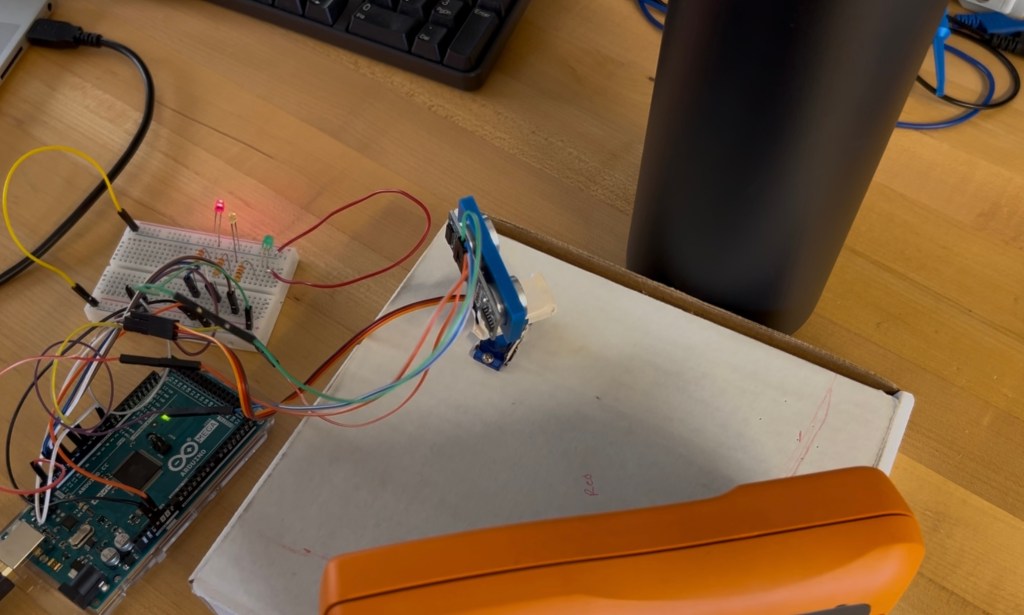

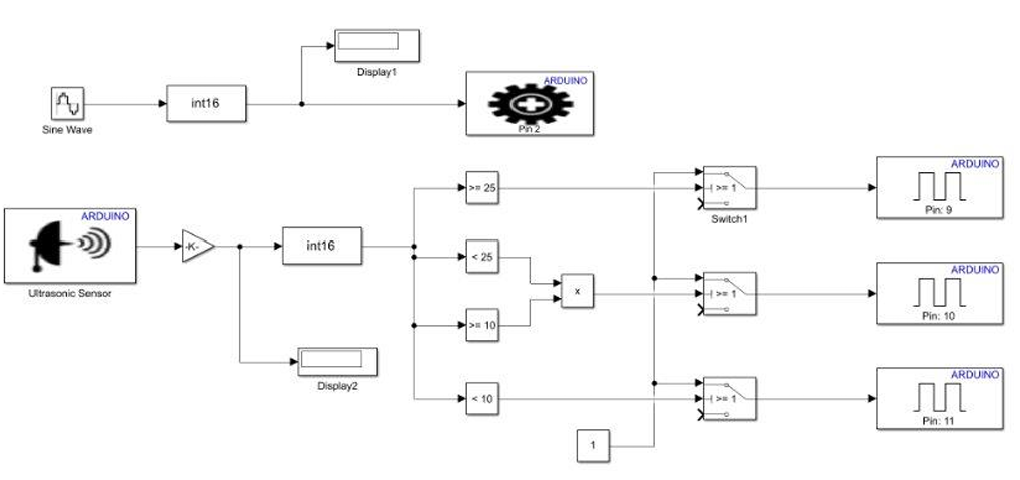
Design and Developed a sonar system using Arduino Mega, and ultrasonic sensor, and LEDs for proximity indication. Programmed the system using Simulink. Ultra sonic sensor was used to obtain the distance to an object, while the LEDs indicated the proximity of the object to our system. Various testes resulted in a 98% accuracy of our system functionality.
Digital Logic Course:
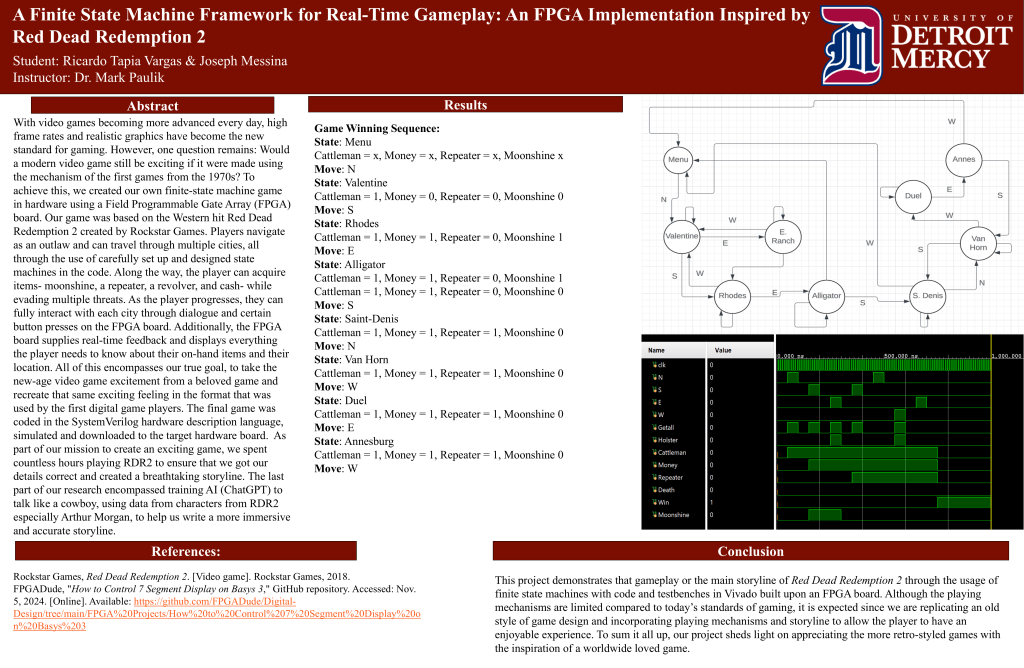
ELEE 2650 Using Finite State Machines to Create a Game on Basys3 Board
With video games becoming more advanced every day, high frame rates and realistic graphics have become the new standard for gaming. However, one question remains: Would a modern video game still be exciting if it were made using the mechanism of the first games from the 1970s? To achieve this, we created our own finite-state machine game in hardware using a Field Programmable Gate Array (FPGA) board. Our game was based on the Western hit Red Dead Redemption 2 created by Rockstar Games. Players navigate as an outlaw and can travel through multiple cities, all through the use of carefully set up and designed state machines in the code. Along the way, the player can acquire items- moonshine, a repeater, a revolver, and cash- while evading multiple threats. As the player progresses, they can fully interact with each city through dialogue and certain button presses on the FPGA board. Additionally, the FPGA board supplies real-time feedback and displays everything the player needs to know about their on-hand items and their location. The final game was coded in the SystemVerilog hardware description language, simulated and downloaded to the target hardware board. The last part of our research encompassed training an AI Model (ChatGPT) to talk like a cowboy, using data from characters from RDR2 especially Arthur Morgan, to help us write a more immersive and accurate storyline.
Circuits and Electronics Course:
ELEE 2510 Autonomous Robot
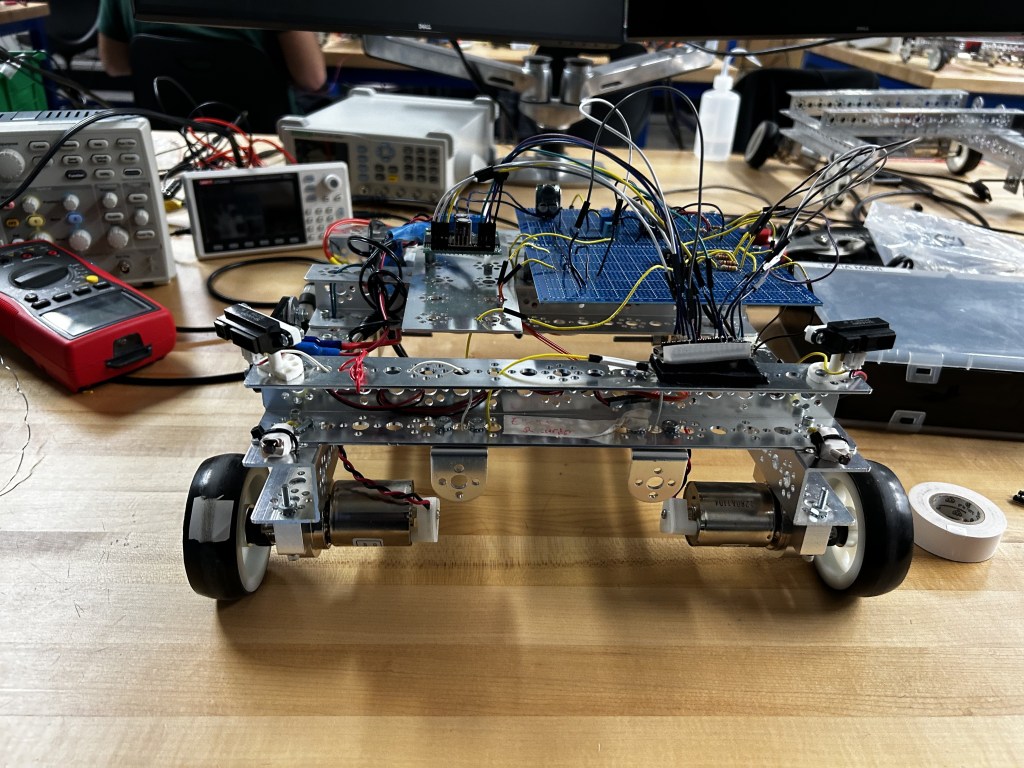
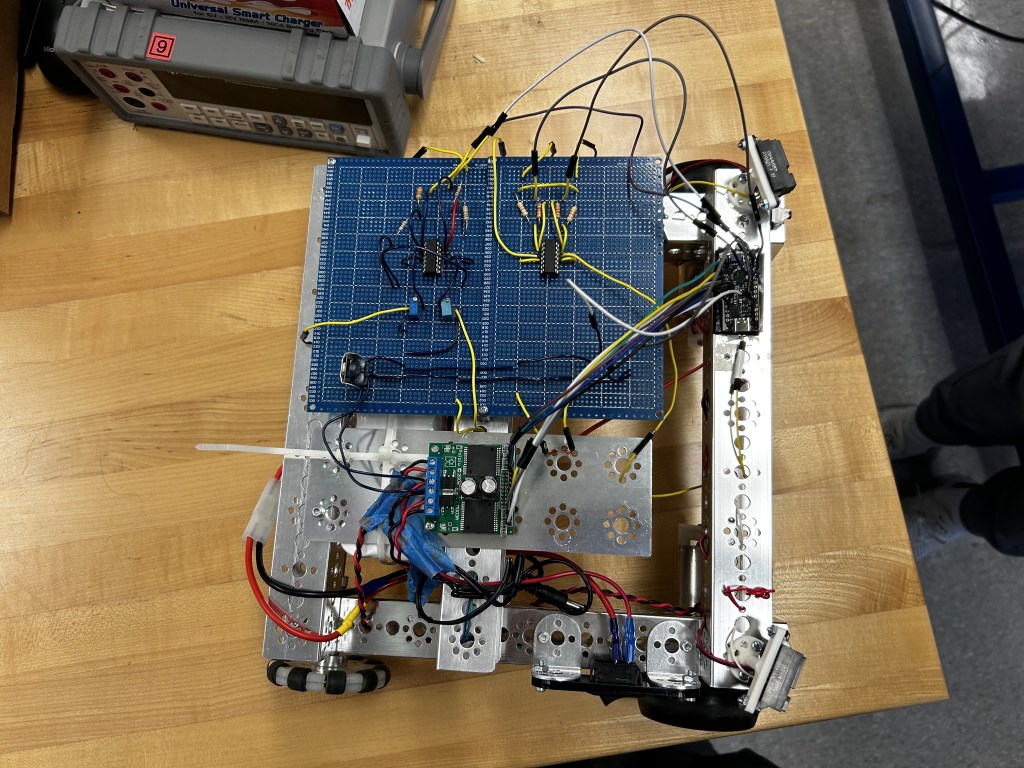
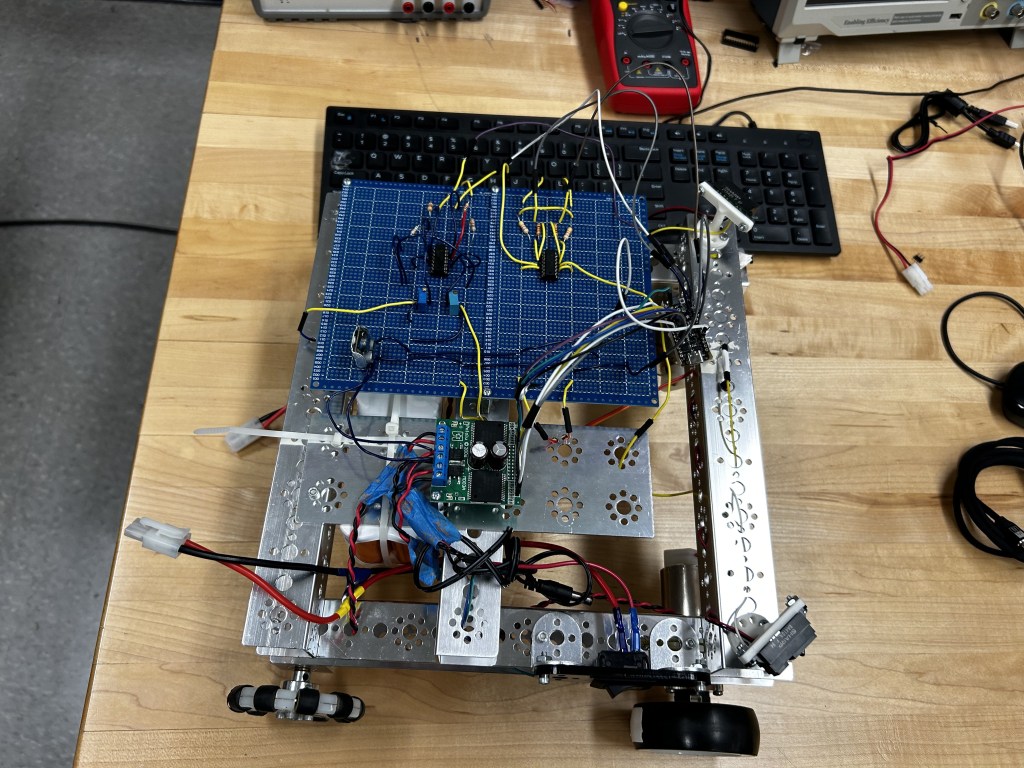
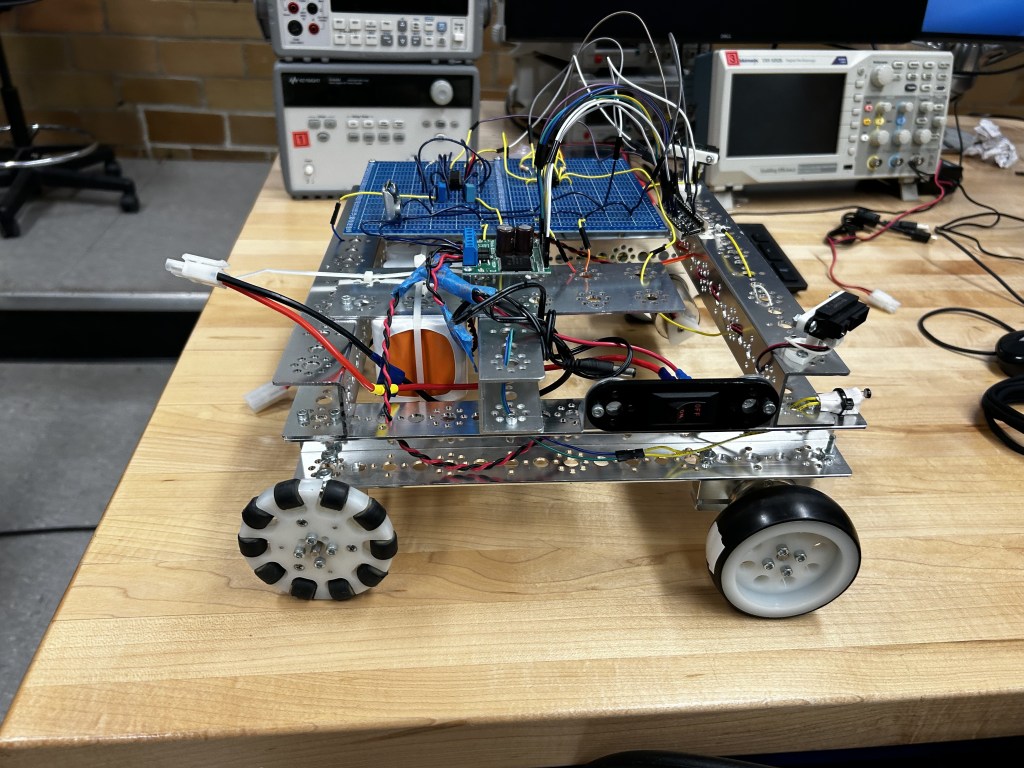
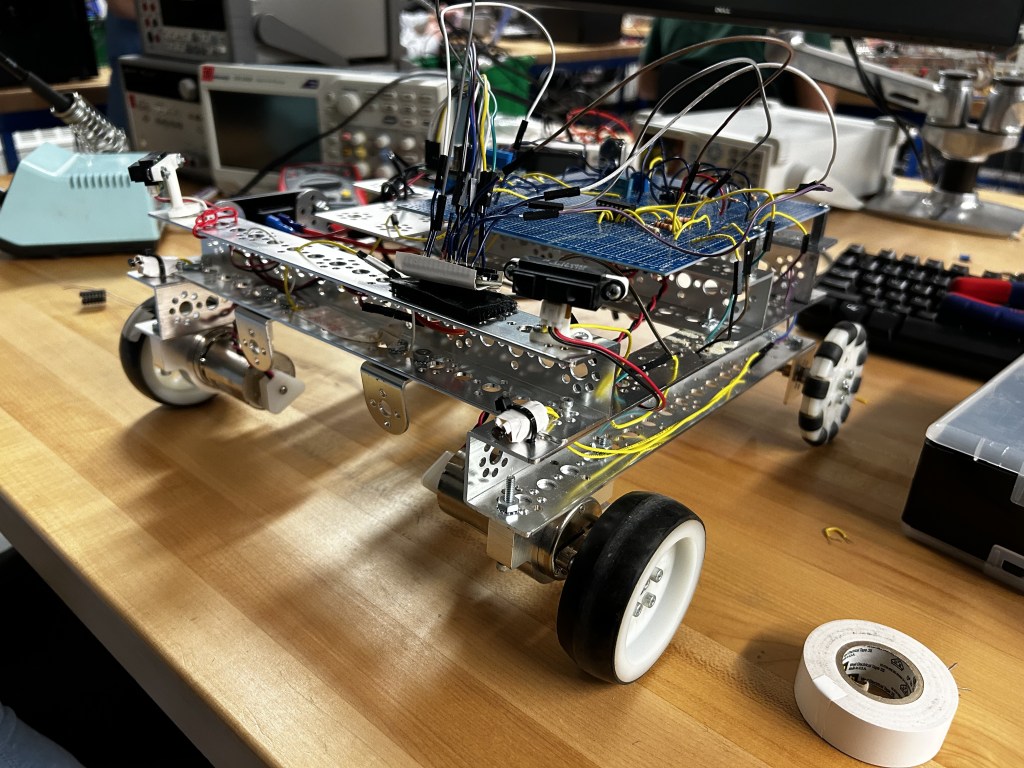
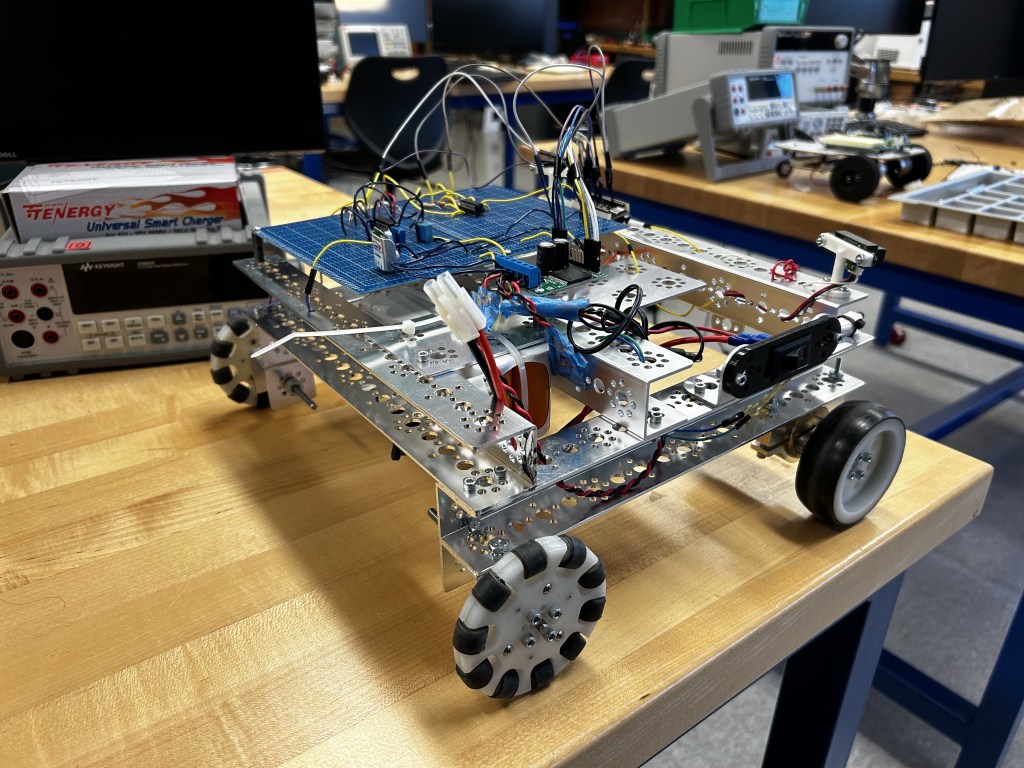
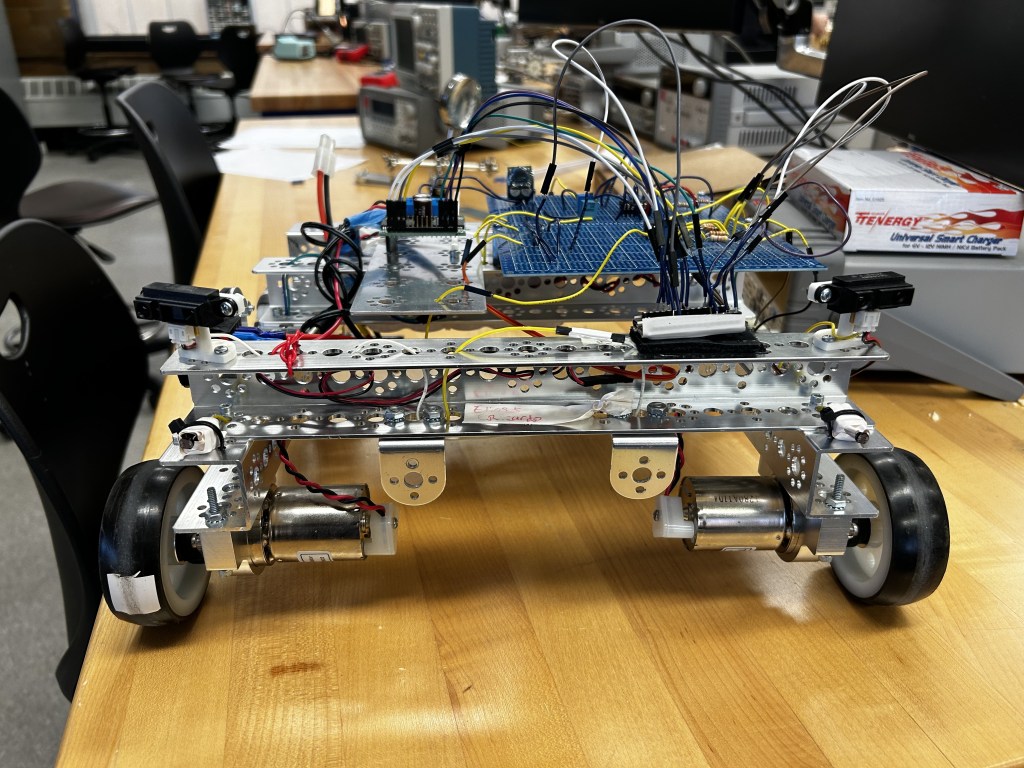
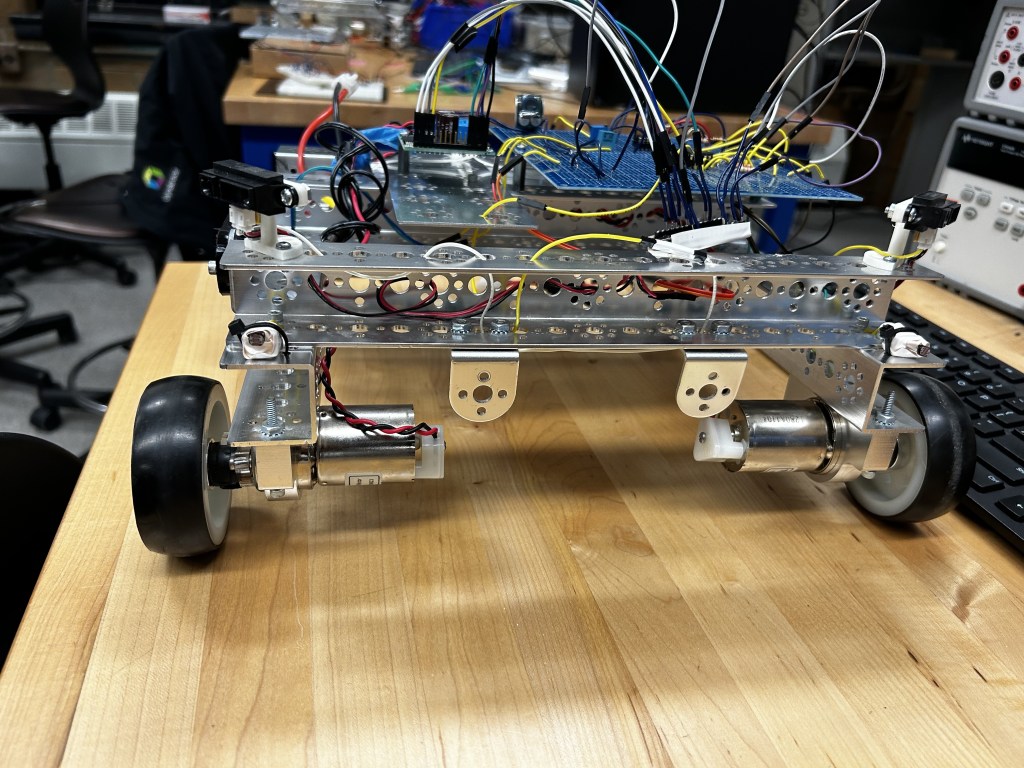
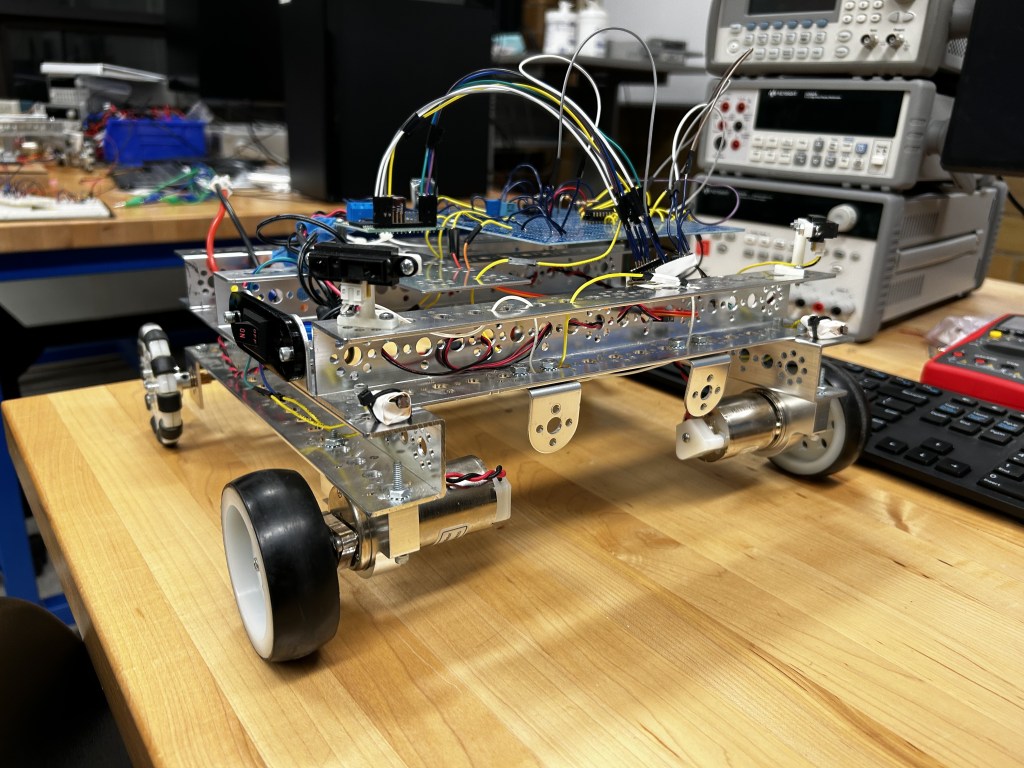
Designed and created circuits, code, and chassis for an autonomous robot that navigated an obstacle course with 93% accuracy using IR and optical sensor systems to respond to its environment.
C++ Programming Course:
CSSE 1710 Machine Learning Research
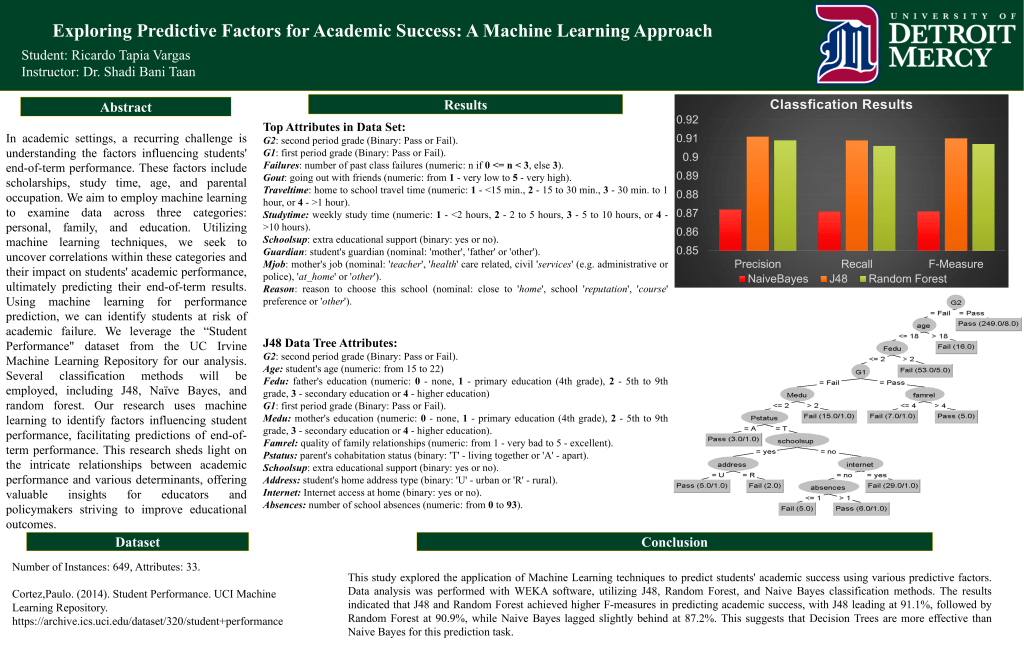
In academic settings, a recurring challenge is understanding the factors influencing students’ end-of-term performance. These factors include scholarships, study time, age, and parental occupation. We aim to employ machine learning to examine data across three categories: personal, family, and education. Utilizing machine learning techniques, we seek to uncover correlations within these categories and their impact on students’ academic performance, ultimately predicting their end-of-term results. Using machine learning for performance prediction, we can identify students at risk of academic failure. We leverage the “Student Performance” dataset from the UC Irvine Machine Learning Repository for our analysis. Several classification methods will be employed, including J48, Naïve Bayes, and random forest. Our research uses machine learning to identify factors influencing student performance, facilitating predictions of end-of-term performance. This research sheds light on the intricate relationships between academic performance and various determinants, offering valuable insights for educators and policymakers striving to improve educational outcomes.
 Ricardo